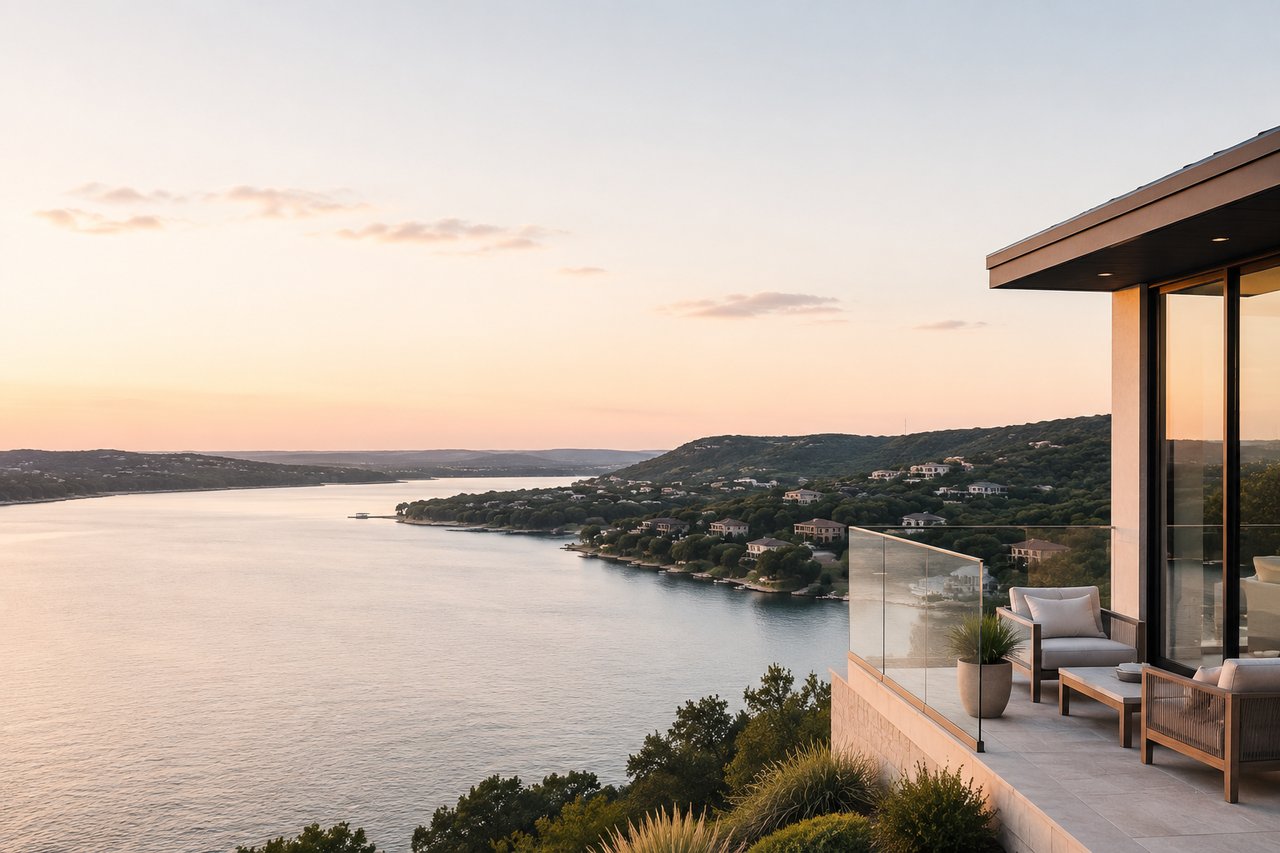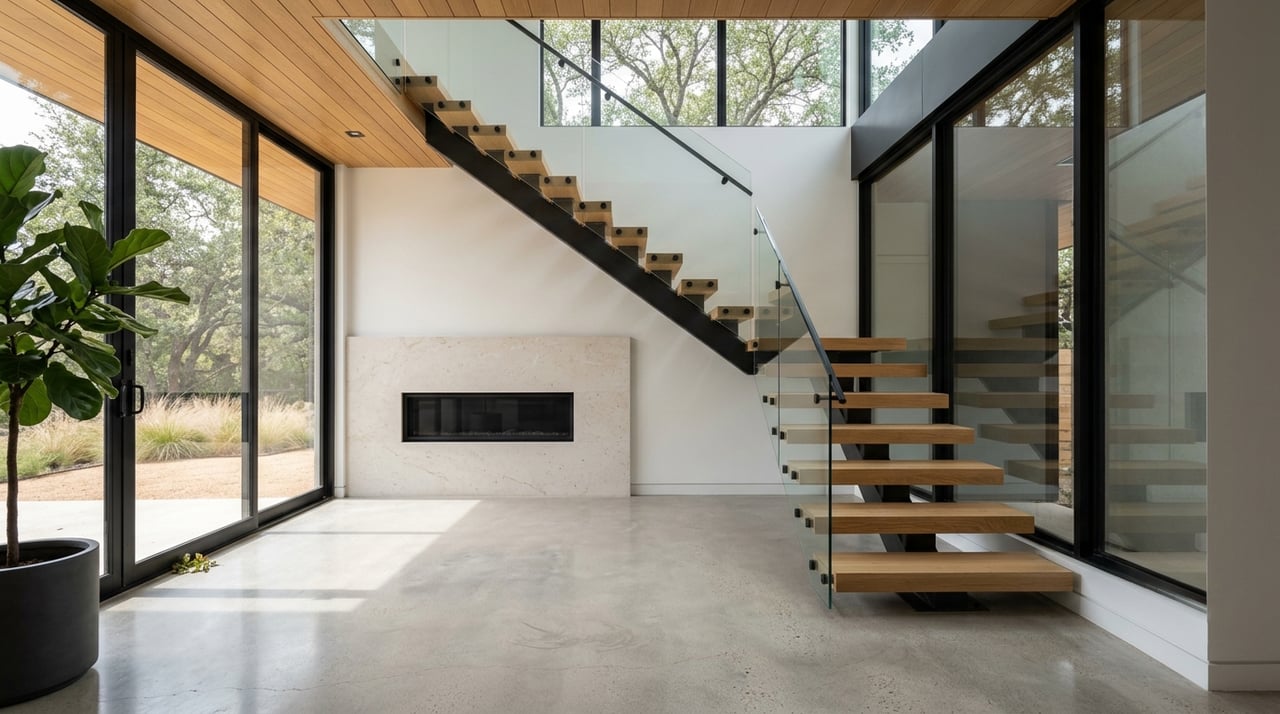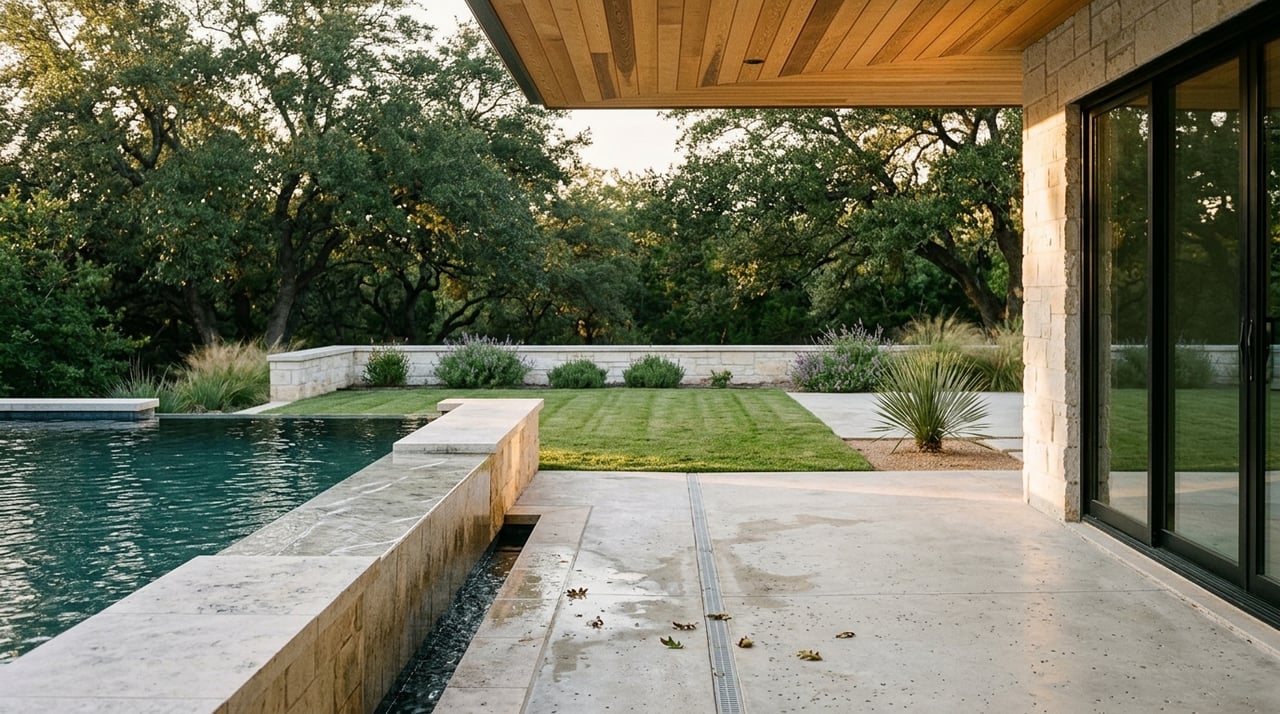
Ever wonder what a day in Lakeway feels like? Picture quiet hill country mornings, a quick school drop-off, and an evening sunset over Lake Travis. If you are exploring a move, you want to know how life actually works here: where you play, how you get on the water, and what daily routines look like in a lake-centered suburb. This guide walks you through a typical day, plus the practical details buyers ask about so you can decide if Lakeway fits your lifestyle. Let’s dive in.
Morning on the trails or tee box
Start your day with coffee and a walk or run on neighborhood trails and greenbelts. Many residents enjoy early light, mild breezes, and quiet streets before the day gets busy. If golf is part of your routine, morning tee times are popular and often become a social anchor.
Families typically do school drop-off at Lake Travis ISD campuses that serve the area. After that, you might settle into a home office or head out for a short drive to nearby retail hubs for errands. If you commute into Austin, leaving early can make the drive smoother than peak-hour traffic.
Midday errands and convenience
Daily needs are close at hand. Neighborhood centers offer groceries, pharmacies, fitness, and service businesses. Clinics, dental practices, and urgent care options are available in or near Lakeway, while major hospitals are in Austin.
If you work from home or on a hybrid schedule, the suburban pace makes it easy to break for a midday trail walk or quick lunch. Larger retail and dining choices are a short drive away in nearby communities when you want more variety.
Afternoons on Lake Travis
Lake Travis is the star. Afternoons are often about getting on the water for boating, wakeboarding, paddleboarding, or a relaxed cruise. Access varies by property and neighborhood, and that detail matters when you picture your routine.
- Private waterfront homes may have individual docks with direct access.
- Some master-planned communities offer HOA docks or private marinas with slips.
- Public boat ramps and third-party marinas provide day use, rentals, fueling, and service.
Slip availability can tighten in peak seasons. If lake time is a priority, it helps to clarify whether a home includes a deeded slip, access to a community marina, or if you will rely on public facilities and lease options.
Lake levels and planning ahead
Water levels on Lake Travis change with rainfall and reservoir management. That can shift the waterline and affect dock usability at times. If you are considering a waterfront or marina-access home, ask for historical lake-level context in the specific neighborhood and how dock elevations or lifts have performed over time.
A little planning goes a long way. Many residents learn seasonal patterns, keep an eye on conditions, and adjust their boating schedule accordingly. The result is a more consistent lake routine year-round.
Golf, clubs, and social life
Beyond the water, golf courses and private clubs act as social hubs for many residents. You will find golf, tennis, pools, fitness, and dining bundled within club settings, especially in gated or resort-style communities. These amenities make it easy to plug into events, meet neighbors, and enjoy a structured activity calendar.
Evenings with a lakeside glow
As the day winds down, the lake pulls you back. Sunset cruises, fishing from a dock, or paddling in the golden hour are common ways to wrap up the day. If you prefer to stay on land, trails, parks, and neighborhood greenbelts are popular for evening walks.
Dining tends to cluster around local centers and the shoreline, with broader entertainment options a drive away. Many residents split time between Lakeway conveniences and nearby destinations for concerts, festivals, or city nights.
Neighborhoods and home types
Lakeway offers a range of settings so you can match your home to your lifestyle.
- Waterfront and near-lake pockets: Premium single-family homes and luxury builds with individual docks or community marina access. Buyers pay for proximity and direct launch options.
- Resort and golf communities: Master-planned neighborhoods that emphasize club amenities, pools, fitness, and organized social life. Good for low-maintenance living with on-site recreation.
- Suburban hill-country streets: Non-waterfront homes on rolling terrain, often with greenbelt views, parks, and larger lots. Typically more attainable than lakefront and attractive to families.
- New builds and infill: Ongoing development adds custom homes, subdivisions, and townhome pockets based on available land and zoning.
Your choice depends on how you want to spend your days. If daily boating is the goal, prioritize dock or marina logistics first. If you want space and a quiet street, you might favor an inland greenbelt lot.
Commutes and connectivity
Most Lakeway residents drive. Principal roads like RM 620 connect you to Bee Cave, Westlake, and Austin. Distance to central Austin varies by route, with many residents reporting roughly 20 to 40 miles depending on the destination and the neighborhood.
Public transit options are limited compared with inner Austin. If you plan to commute, test your route during typical peak and off-peak hours. If you work from home part-time, the tradeoff for more space and outdoor access often feels worth it.
Schools and community infrastructure
Lakeway is served primarily by Lake Travis ISD, which many buyers consider when evaluating a move. The district offers elementary, middle, and high school programs with extracurricular activities in sports and the arts. School boundaries can vary by neighborhood, so verify campus assignments for any specific address.
Lakeway operates as an incorporated city with municipal services and maintained parks. Utilities can differ by parcel, especially in newer or more rural pockets, so confirm water, sewer, and internet providers for each property.
What to know before you buy
If you are aiming for lake access, a bit of due diligence makes a big difference in your day-to-day experience.
- Dock and slip rights: Confirm whether a dock is deeded to the property or if slip access is leased through a marina or HOA. Get records of any easements.
- HOA rules: Review covenants for boat storage, exterior changes, rental policies, and marina regulations.
- Lake levels: Ask for historical lake-level context in the neighborhood plus any dock or lift elevation details.
- Flood and insurance: Check FEMA designations and obtain insurance estimates for waterfront or near-shoreline lots.
- Utilities: Verify water, sewer, and electricity service. For properties with septic or wells, plan inspections and testing.
- Commute checks: Drive your likely route during rush hour to gauge real-world time.
- School boundaries: Confirm campus assignments and program availability for your address.
- Surveys and shoreline: For waterfront purchases, request a recent survey showing the shoreline, dock location, and any erosion or stabilization measures.
Cost and ownership tradeoffs
Waterfront homes are scarce and command premium pricing. You are paying for location, water access, and the lifestyle that comes with it. Ownership often includes dock maintenance, potential seasonal access changes, and occasional HOA or marina fees.
Inland homes on larger lots may offer more space at a lower price point than the shoreline. Keep property taxes and insurance in your budget, especially for homes closer to the water. If you plan to rent your property, review local rules and HOA policies before you buy.
Is Lakeway right for you?
If your perfect day includes morning trails, afternoon lake time, and a relaxed evening close to home, Lakeway aligns with that vision. You get outdoor recreation, neighborhood amenities, and a suburban pace. The tradeoff is car dependence and commutes for many jobs.
The details of your daily life will hinge on the home you choose. Close, deeded access to the lake feels different from relying on a marina or public ramp. Gated club communities offer a polished amenity set, while greenbelt neighborhoods deliver space and quiet. With the right plan, you can pick the version of Lakeway that fits your lifestyle today and your long-term goals.
Ready to map your day in Lakeway to the right property? Let’s talk through your must-haves, dock or marina access, commute preferences, and neighborhood options. Connect with Bryan Swan to schedule a Free Consultation.
FAQs
What does a typical day in Lakeway look like?
- Morning trails or golf, mid-day errands or work-from-home, and afternoon lake time, followed by dinner with hill-country or lakeside views.
How do I access Lake Travis without a waterfront home?
- Use a neighborhood’s community dock or private marina if available, or rely on public boat ramps and third-party marinas for day use and slip leases.
How do water levels affect boating on Lake Travis?
- Water levels vary with rainfall and management, which can shift the shoreline and dock usability; confirm neighborhood history and dock elevation details.
What are commute options from Lakeway to Austin?
- Most residents drive via RM 620 and connecting routes; distances to major employment centers often range from roughly 20 to 40 miles, with timing dependent on traffic.
Which schools serve homes in Lakeway?
- Properties are primarily served by Lake Travis ISD; verify the specific attendance zones for your address and any program availability that matters to you.
What should I check before buying a waterfront property?
- Confirm deeded dock rights, HOA rules, flood zone and insurance estimates, historical lake-level context, utility details, and a current survey showing shoreline and dock placement.