Torn between Westlake and East Austin? You are not alone. Both offer strong lifestyle perks, but they feel very different on the ground. If you want a home that fits your day-to-day routine and long-term plans, getting clear on tradeoffs will help you choose with confidence. In this guide, you will compare commute patterns, housing styles, schools, outdoor access, and resale considerations so you can focus your search and plan smart tours. Let’s dive in.
Geography and proximity
Westlake sits west of central Austin across the Barton Creek and river corridors. Depending on the pocket, you are about 4 to 8 miles from Downtown. Most commutes route along Loop 360, MoPac, and Westlake or Highland roads. Traffic can stretch drive times at peak hours.
Central East Austin lies just east of I-35. Many blocks are 1 to 3 miles to Downtown with direct routes into the core. Off-peak, biking and quick rideshares are realistic for many addresses.
A key divider is I-35. East Austin is on the downtown side of the freeway, while Westlake drivers often cross bridges and rely on MoPac or 360. Mileage does not always equal speed, so test real-time routes for the addresses you like.
Commute and transportation
Driving patterns
- Westlake: Most daily errands and commutes are car-centered. Access to 360 and MoPac supports trips west and south, but peak congestion can add time.
- East Austin: Closer-in addresses often reach Downtown, UT, and popular districts with shorter off-peak drives. Street grids and multiple east-west routes help you avoid bottlenecks.
Walk, bike, and transit
- East Austin: Many pockets offer higher walkability. You can often walk or bike to restaurants, coffee, and the Hike-and-Bike Trail along Lady Bird Lake. Bus routes and planned transit projects are oriented around central corridors and may further improve access over time.
- Westlake: Sidewalks and bike routes exist, but the hilly terrain and faster arterials mean casual biking is less common. You will likely drive for most errands, with a few village centers as exceptions.
Outdoor access and green space
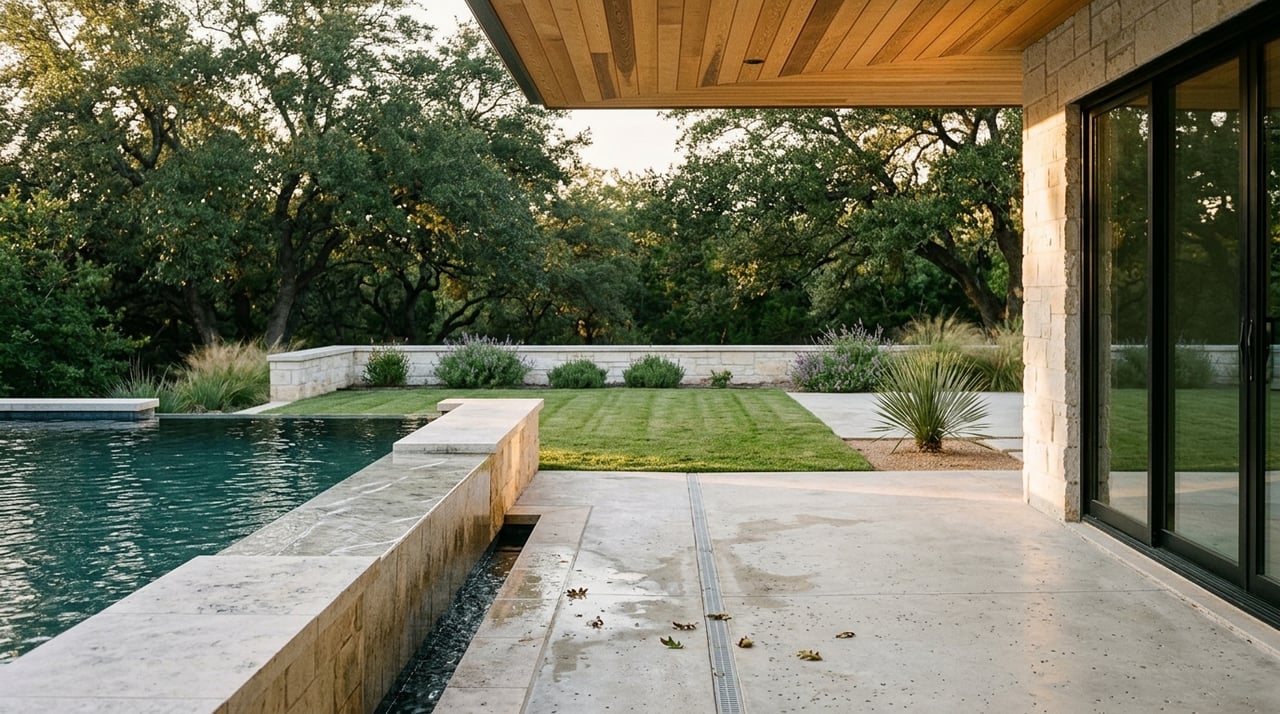
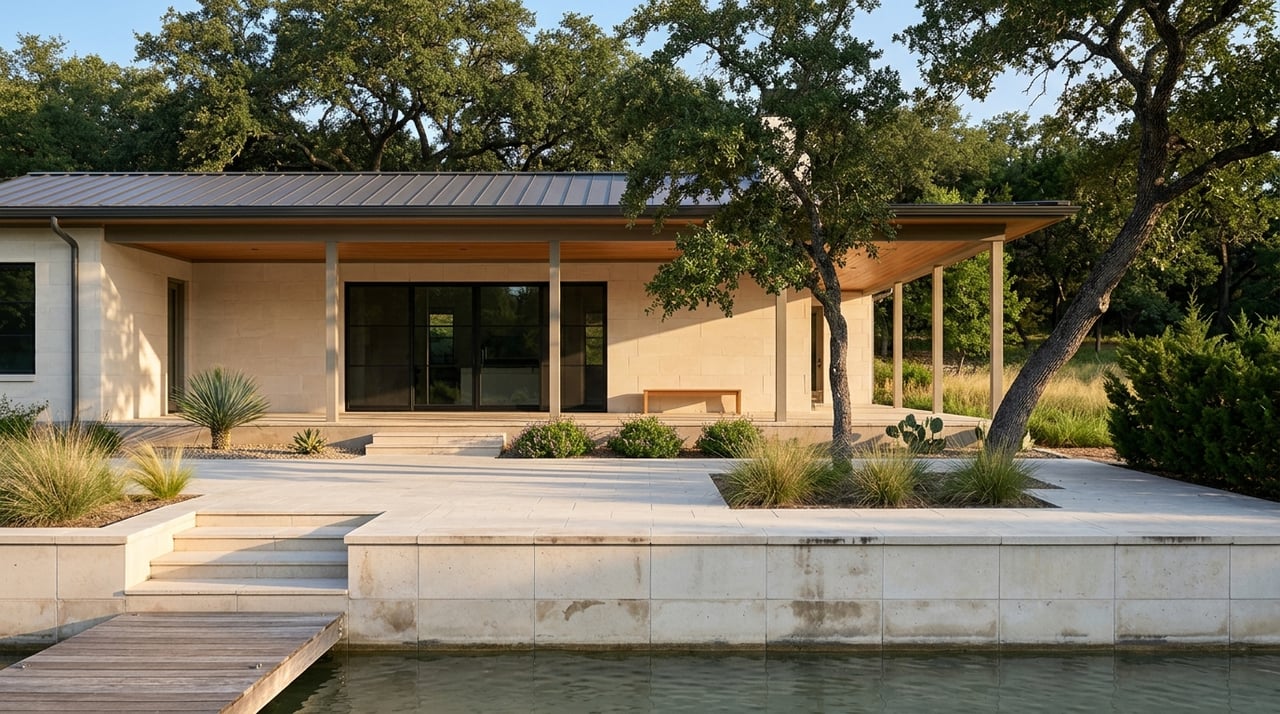
- Westlake strengths: Quick access to Hill Country terrain, trail networks, and preserves like Wild Basin and parts of the Barton Creek watershed. Many homes sit on larger, tree-covered lots with room for pools and outdoor living. Proximity to Lake Austin offers boating and water recreation, and some homes have nearby docks.
- East Austin strengths: Easy access to Lady Bird Lake and the Butler Hike-and-Bike Trail. You can run, bike, or paddle without leaving the central city. Neighborhood parks, pocket greens, and community gardens create a walkable urban outdoor lifestyle.
If you want a big yard, privacy, and hill-country views, Westlake tends to deliver. If you want daily access to the trail and waterfront paths by foot or bike, East Austin lines up well.
Housing styles and lot sizes
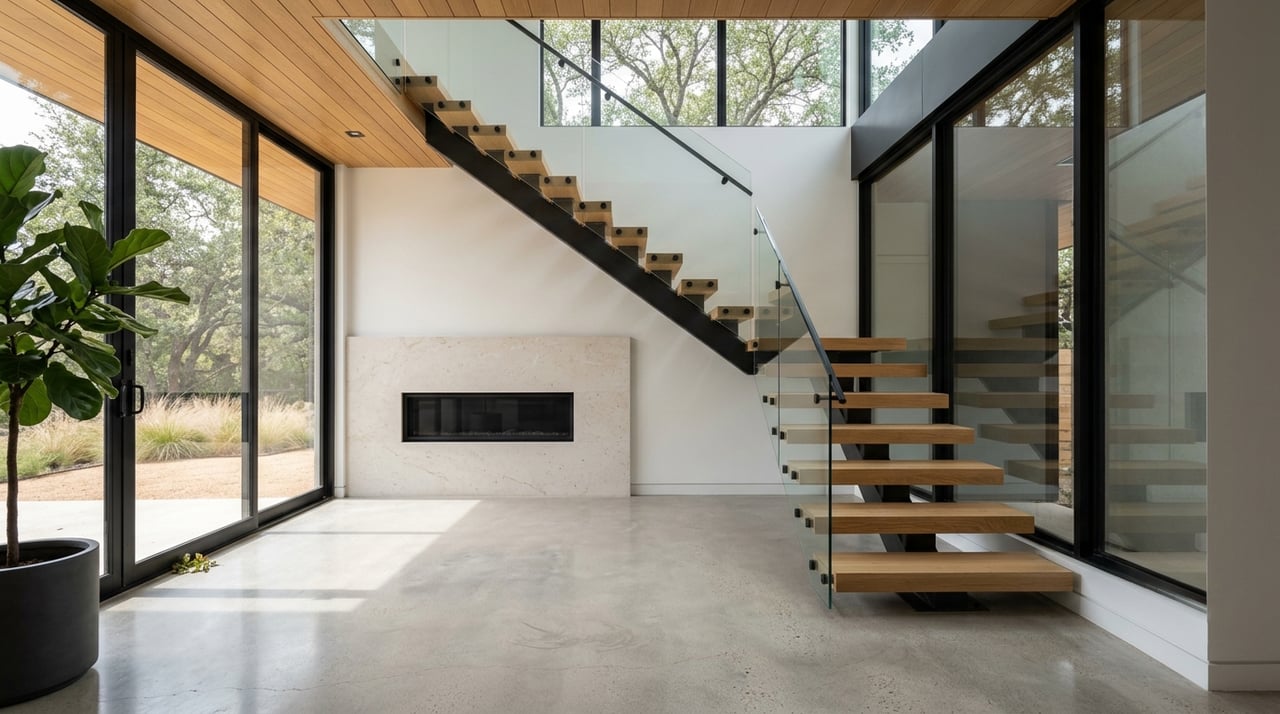
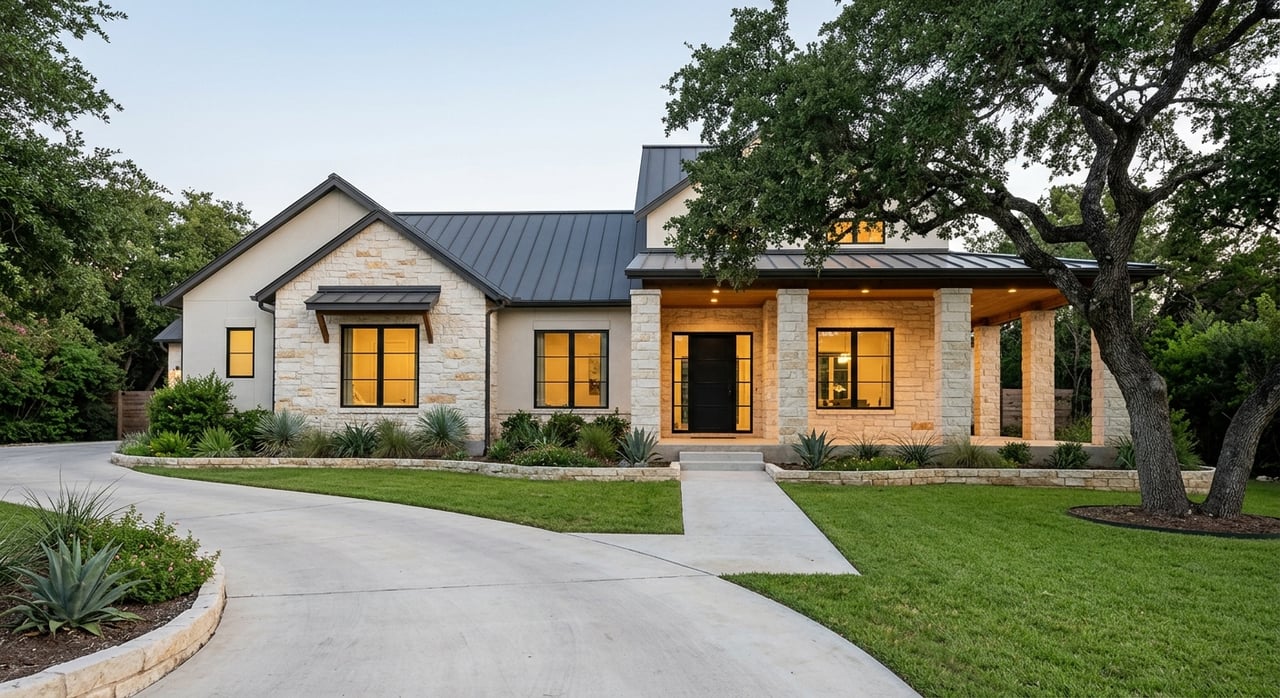
- Westlake: Predominantly single-family homes, often custom or semi-custom, on larger lots. Common styles include contemporary Hill Country, Mediterranean, and modern luxury renovations. Lower-density zoning in many pockets preserves privacy and mature trees.
- East Austin: A mix of early 20th-century bungalows, craftsman cottages, and adaptive reuse buildings. Since the 2000s, there has been intensive infill: modern single-family homes, townhomes, condos, and small multifamily. Expect more architectural variety and smaller lots.
If you prefer a large lot and space between neighbors, Westlake is a natural fit. If you want options across price points and home types, including lower-maintenance condos and townhomes, East Austin offers more choice.
Dining, nightlife, and culture
- East Austin: One of Austin’s most vibrant dining and nightlife areas. You will find dense clusters of restaurants, food trucks, cafes, bars, breweries, music venues, and galleries. It is easy to sample new spots within a short walk or bike ride.
- Westlake: Fewer nightlife clusters. You will see neighborhood bistros, upscale dining, and family-friendly restaurants, plus country-club dining for members. Downtown’s food and music scenes remain a short drive away.
If you value a walkable, late-night social scene, East Austin usually wins. If you want quiet evenings at home with convenient access to upscale dining by car, Westlake aligns well.
Schools and family factors
- Westlake: Many addresses feed into Eanes Independent School District. Eanes ISD is widely regarded as a high-performing district and is a common draw for families. Always verify attendance zones by property address.
- East Austin: Most addresses are in Austin Independent School District. AISD includes a range of campus ratings. Families often compare assigned schools, consider magnet or charter options, and look at private schools. Proximity to UT Austin and other downtown institutions can be a plus for academic and cultural access.
School boundaries and programs change. Verify the assigned campus for any property and review district information as part of your due diligence.
Market dynamics and development
- East Austin: Rapid infill and redevelopment over the last two decades. Rising land values have pushed tear-downs and multi-unit projects. Investor interest is strong and turn-over can be high. Well-priced homes often move quickly, depending on the segment.
- Westlake: Supply of developable parcels is tight. Homes often command premium pricing, especially larger or renovated properties. Conservation and hillside rules may limit density increases, which helps preserve the low-density feel.
Both areas can support strong resale. Westlake benefits from scarcity and consistent demand. East Austin’s diversity of product types attracts a wide buyer pool, though performance varies by micro-location and property type.
Safety, flood, and utilities
- Safety: Patterns vary by block and change over time. Review current crime maps and visit properties at different times of day to assess comfort levels.
- Flood risk: Homes near Lady Bird Lake or area creeks on both sides of the river may sit in floodplains. Order a floodplain determination, review elevation certificates where relevant, and factor flood insurance into your budget.
- Utilities: Both areas have city services, though some larger-lot Westlake addresses may have different water or septic considerations. Confirm utility connections and providers during due diligence.
A simple decision checklist
Rate each category 1 to 5 based on importance. Circle your top three non-negotiables, then note which area tends to align.
- Budget and price tolerance, including property taxes and upkeep
- Desired lot size and outdoor space (yard, pool, dock potential)
- School district preference and program options
- Commute tolerance during peak hours
- Walkability to dining, parks, and trail access
- Preferred architecture and home age
- Social scene preference: nightlife density or quiet residential feel
- Privacy and neighborhood density
- Resale potential and change tolerance (infill, new development)
- Flood risk tolerance and preference for elevated lots
If your top three are large lots, privacy, and district reputation, Westlake likely fits. If your top three are walkability, nightlife, and quick downtown access, East Austin likely fits.
Smart next steps to compare both
Pre-tour prep
- Shortlist 6 to 8 properties, split between both areas and across property types.
- Verify school boundaries for each address.
- Run a quick floodplain lookup and flag any homes for added due diligence.
- Pull recent comparable sales from the past 6 to 12 months for pricing context.
Tour plan
- Visit on a weekday to gauge commute, noise, and natural light.
- Revisit a top pick on an evening or weekend to experience nightlife, parking, and street activity.
- Walk a full block in each direction to assess sidewalks, porches, and nearby businesses.
- Stop at a grocery store, a favorite lunch spot, a park or trailhead, and a school or playground.
Questions to ask during tours
- How long do similar homes stay on market here, and how have prices trended?
- What are the best comparable sales in the past 6 to 12 months?
- Are there any planned zoning changes or major developments nearby?
- Who are the utility providers, and are there HOAs or typical fees?
- Any known lot issues such as drainage, easements, or flood exposure?
- What buyer competition is common here, such as investor activity or cash offers?
After the tour
- Compare monthly costs: mortgage, maintenance, taxes, insurance, and commuting.
- Revisit your top three non-negotiables and score each finalist property.
- If you are serious about a home, order inspections, confirm flood details, and request a detailed market analysis before you write.
Ready to narrow your focus and plan an efficient tour? Connect with Bryan Swan for a local, data-forward strategy and a smooth, high-touch experience. Schedule a Free Consultation and see which neighborhood fits your lifestyle and long-term goals.
FAQs
Affordability in Westlake vs. East Austin
- Westlake is generally a higher price tier for single-family homes and larger lots, while East Austin offers more entry points through condos and townhomes, though prices have risen with infill.
School options when choosing between Westlake and East Austin
- Many buyers consider Westlake for Eanes ISD, while East Austin families compare AISD campuses, magnet or charter choices, and private schools; always verify campus assignments by address.
Walkability differences between the two areas
- East Austin tends to offer higher walkability to dining, nightlife, and Lady Bird Lake trails, while Westlake is more car-centered with quieter, low-density streets.
Flood risk near Lady Bird Lake and Lake Austin
- Both sides of the river include flood-prone parcels near creeks and lakefronts, so you should order a floodplain determination and review elevation certificates where relevant.
How future transit plans may affect each area
- Planned transit projects focus on central corridors and may improve access for parts of East Austin, while Westlake commutes will continue to rely mainly on 360 and MoPac; confirm the latest plans as they evolve.