If you are torn between a waterfront property and Hill Country acreage in Spicewood, you are not choosing between two versions of the same lifestyle. You are choosing between two very different ways of living, maintaining, and planning for a property. The right fit depends on how you want to spend your time, how much complexity you can take on, and what kind of long-term value matters most to you. Let’s dive in.
Two Different Spicewood Lifestyles
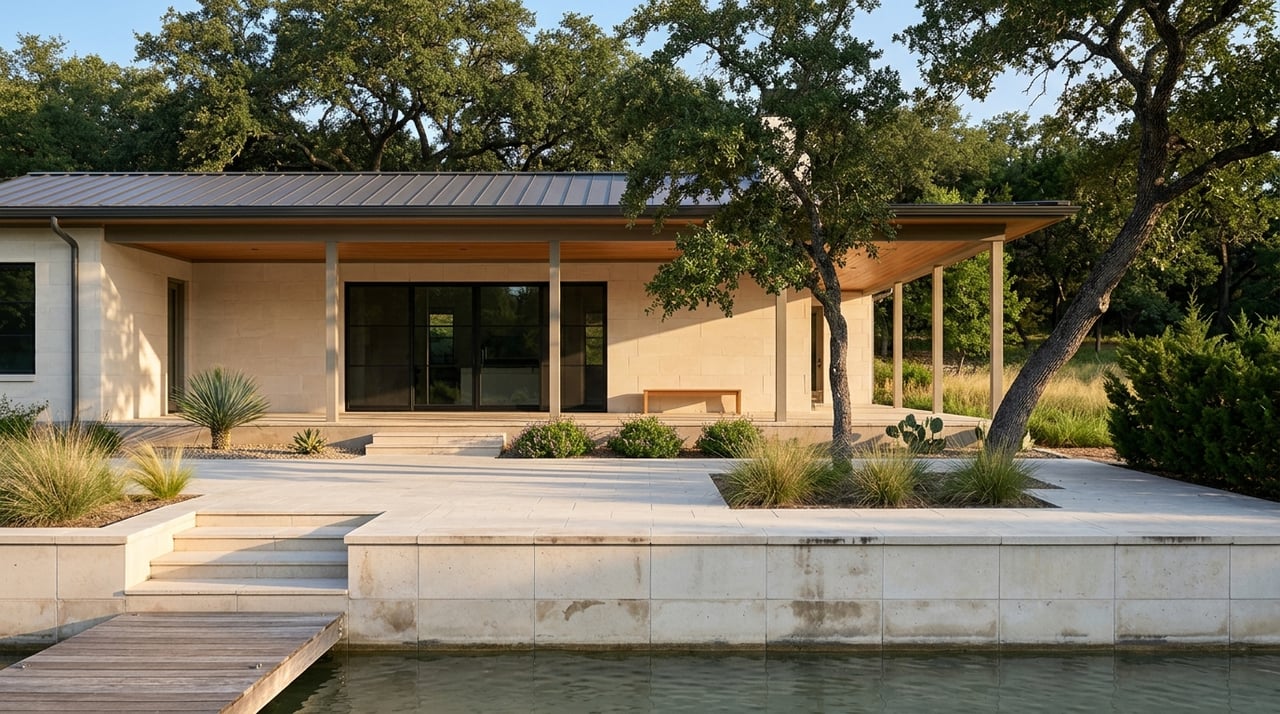
In Spicewood, waterfront and acreage properties can both feel scenic and private, but they operate very differently. Waterfront living in the Lake Travis corridor is shaped by reservoir conditions, dock rules, shoreline upkeep, and changing lake levels.
Acreage living usually offers more freedom in how you use the land, but it often comes with more site planning before the property is truly ready to support a home. That can include permits, driveway access, septic planning, stormwater review, and utility decisions.
If you start with the lifestyle you want day to day, your decision usually gets much clearer. From there, you can compare the practical side without getting distracted by a beautiful view or a large lot size.
Why Buyers Choose Waterfront
For many buyers, waterfront property is about immediate lifestyle value. If you picture weekends around the lake, frequent boating, fishing, or easy shoreline access, true waterfront can be hard to replace.
Lake Travis is a major recreation draw, and Texas Parks and Wildlife notes that LCRA and Travis County Parks operate 15 parks on the reservoir. Many include boat ramps, beaches, campgrounds, picnic areas, and shoreline fishing, which helps explain why direct waterfront is so appealing for buyers who want regular lake use.
Waterfront convenience can be a big plus
A finished waterfront lot often offers a more straightforward access experience than raw acreage. You are usually looking at shoreline conditions, lake access, and dock feasibility rather than starting from scratch on road and utility planning.
That can make waterfront especially attractive for weekend-retreat buyers or anyone who wants a property that feels usable sooner. In many cases, the appeal is not just the view. It is how easily the property supports the way you want to live.
Dock rights are not automatic
One of the biggest mistakes buyers make is assuming waterfront ownership automatically includes the right to build or use a dock. LCRA says lakefront owners must verify submerged-land ownership or permission before building, and residential docks on the Highland Lakes must meet LCRA safety standards.
That means your title review matters just as much as the lot’s location. A great shoreline view does not always equal a simple dock path.
Dock rules affect how usable a property feels
On Lake Travis, residential docks of 1,500 square feet or less do not require an LCRA permit, registration, or fees, but they still must comply with LCRA rules. LCRA also states that docks can extend no more than 100 feet from shore on Lake Travis and are only allowed when there is an additional 40 feet of lake access.
In narrower coves, that may mean a recessed dock is the only workable option. So when you compare waterfront listings, the question is not just whether a dock exists or seems possible. The real question is whether the site can support the kind of lake access you want.
What Waterfront Ownership Really Requires
Waterfront property can deliver an amazing lifestyle, but it usually asks more of you in return than many buyers expect. This is especially true in the Lake Travis corridor, where water levels can change significantly.
LCRA explains that Lake Travis is a water-supply reservoir designed to fluctuate and can rise or fall quickly during floods or droughts. That affects everything from dock management to shoreline appearance to maintenance timing.
Shoreline upkeep is part of the deal
Most shoreline around the Highland Lakes is privately owned, and LCRA says it does not remove debris from private property. In practical terms, that means shoreline cleanup, storm debris removal, and routine care usually fall to the homeowner.
If you want a low-maintenance second home, this is worth thinking through early. Waterfront can feel effortless from the deck, but ownership often involves active oversight behind the scenes.
Floating docks need attention
LCRA notes that floating docks are more vulnerable during floods than fixed or recessed docks. It also recommends that owners, especially part-time residents, work with a qualified dock contractor because lake conditions can change while they are away.
That is an important lifestyle clue. If you are not local full time, or do not want to manage dock upkeep closely, a waterfront property may still work for you, but only if you are ready for that level of planning and maintenance.
Lakebed conditions can add another layer
When Lake Travis falls below certain levels, exposed lakebed vegetation may need to be cleared under LCRA procedures. Buyers who love the idea of waterfront should understand that the shoreline experience can look different in drought conditions than it does in listing photos taken at fuller lake levels.
That does not make waterfront a bad choice. It just means the best waterfront buyers go in with clear expectations.
Why Buyers Choose Acreage
Acreage appeals to a different kind of buyer. If you want more separation, more flexibility in home design, space for outbuildings, or a long-term land hold, acreage may be the stronger match.
In Spicewood and unincorporated Travis County, that freedom often comes with more up-front due diligence. The larger and more raw the parcel, the more likely it is that access, utilities, drainage, and permitting will shape your timeline.
Acreage gives you more design latitude
Many primary-home buyers and custom builders lean toward acreage because it offers fewer shoreline constraints. You may have more options for house placement, privacy, outdoor living, and future improvements.
That flexibility is one reason acreage remains attractive in the Hill Country. It supports a more customized vision, especially if you are planning a long-term home or an investment play tied to future buildability.
Permits matter earlier on acreage
In unincorporated Travis County, a Basic Development Permit is required for land development outside municipal limits. A separate OSSF permit is required for residential septic work, and those approvals are often central to the build timeline.
That means acreage buyers should expect more front-end homework before they can build comfortably. A property can look simple from the road and still involve a meaningful approval process once plans begin.
Road access can make or break the parcel
Travis County states that driveways connecting to a maintained county road require a county driveway permit, while driveways to a state road require a TxDOT permit. The county also does not issue driveway permits for unmaintained or unaccepted roads.
This is one of the most important practical issues for acreage buyers. Before you fall in love with the land itself, you need to know how legal access and driveway approvals will work.
Utility and Site Planning on Acreage
With acreage, utility planning often becomes a major part of the purchase decision. You may be evaluating septic, well use, shared systems, or other service options before you ever think about finishes or floor plans.
That is not a reason to avoid acreage. It is simply part of understanding the true path from raw land to usable homesite.
Septic and water need early review
For homes using septic, Travis County requires an OSSF permit for residential septic work. Buyers should also confirm whether the property will rely on a private well, a shared system, or another water source.
The Texas Water Development Board says private well owners generally do not have to register with the state unless the property is inside a groundwater conservation district. It also notes that new wells require a state water-well report from the driller or landowner.
Stormwater rules can affect design
Travis County says an SWP3 is required for certain construction projects. It also states that residential projects outside the City of Austin ETJ that add 10,000 square feet or more of impervious cover must provide a permanent water-quality control plan.
LCRA’s Highland Lakes Watershed Ordinance can add another layer if the parcel is in the Lake Travis watershed. So if you are buying acreage for a custom build, site design and permitting are tightly connected from the start.
Waterfront vs Acreage: The Biggest Tradeoffs
The simplest way to compare these property types is to look at how they differ in everyday ownership.
| Category | Waterfront | Acreage |
|---|---|---|
| Primary appeal | Direct lake access and recreation | Space, flexibility, and custom-home potential |
| Main due diligence focus | Dock rights, shoreline conditions, lake-level impact | Access, septic, driveway permits, stormwater, utilities |
| Maintenance profile | Docks, shoreline cleanup, flood response, lakebed issues | Brush management, erosion, septic, wells, wildfire readiness |
| Best fit for many buyers | Weekend retreats and frequent lake users | Primary homes, custom builds, and long-term land holds |
Neither option is automatically better. The better choice is the one that fits how you plan to use the property, maintain it, and hold it over time.
Risk and Maintenance Look Different
Both property types need careful review around flood and drainage issues. This is especially true for shoreline lots and creek-adjacent land.
Travis County’s floodplain code is designed to minimize flood losses and help property owners obtain flood insurance. LCRA also notes that Lake Travis is a water-supply reservoir with built-in flood storage, which reinforces why changing conditions are part of waterfront ownership.
Wildfire matters more on acreage
Acreage maintenance is often more about brush, erosion, septic systems, and wildfire readiness. Travis County states that wildfire is a significant and serious threat, and its home-hardening guidance emphasizes keeping the 0 to 5 foot zone around a house free of flammable material.
If you are planning a custom home on acreage, this should be part of the conversation early. The property may offer freedom and privacy, but it also requires a more active approach to land stewardship.
Which Spicewood Property Fits You?
If you want direct lake use and picture your property as a retreat centered around the water, waterfront may be the best fit. It tends to align well with buyers who value boating, shoreline access, and a lifestyle built around Lake Travis itself.
If you want more flexibility, more separation, and more control over what gets built, acreage may fit better. It often makes more sense for primary-home buyers, custom builders, and investors who are comfortable doing more due diligence up front.
For many buyers, the answer comes down to this: do you want a property designed around lake access, or a property designed around what you can create on the land? Once you answer that honestly, your next step becomes much easier.
A smart purchase in Spicewood is not just about what looks best today. It is about matching the property’s realities with your lifestyle, timeline, and long-term plans. If you want local guidance on evaluating waterfront lots, acreage tracts, or buildable parcels in the Lake Travis corridor, Bryan Swan can help you sort through the details and move forward with confidence.
FAQs
What should you verify before buying waterfront property in Spicewood?
- You should verify dock rights, submerged-land ownership or permission, shoreline conditions, and whether floodplain or exposed-lakebed rules could affect the property.
What permits matter most when buying acreage in unincorporated Travis County?
- The most important items often include a Basic Development Permit, an OSSF permit for septic work, and any driveway permit required for access to a county or state-maintained road.
How does Lake Travis affect waterfront ownership in Spicewood?
- Lake Travis is designed to fluctuate, so waterfront ownership may involve changing shoreline conditions, dock management, flood response, and possible lakebed clearing procedures during low-water periods.
Why is road access such a big issue for Spicewood acreage?
- Road access matters because driveway permits depend on whether the road is county-maintained, state-maintained, or unmaintained, and that can directly affect whether the parcel is practical to build on.
What utility questions should you ask before buying Spicewood acreage?
- You should confirm whether the property will use septic, a private well, a shared system, or another connection method, and then verify what permits and reports are required for that setup.
Who is usually a better fit for waterfront versus acreage in Spicewood?
- Waterfront often fits buyers focused on lake recreation and retreat-style living, while acreage often fits buyers seeking custom-home flexibility, more separation, or long-term land value.