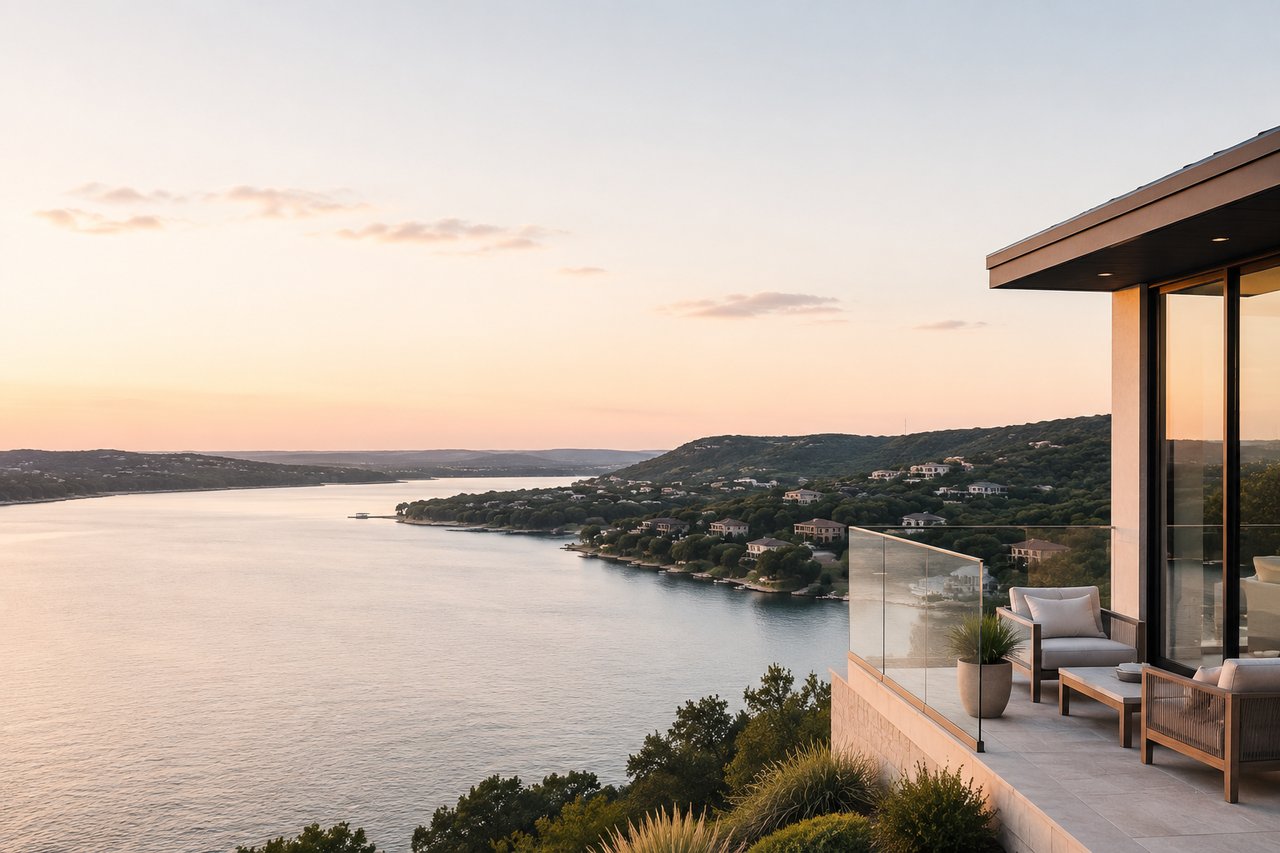
Choosing between the lake and the fairway sounds simple until you start looking closely at how each lifestyle works in real life. In Lakeway, a waterfront address and a golf-course address can deliver very different day-to-day experiences, maintenance needs, and resale factors. If you are trying to decide which one fits your goals best, this guide will help you compare the trade-offs clearly. Let’s dive in.
Why this choice matters in Lakeway
Lakeway is a resort community on the south shore of Lake Travis, with golf courses, marinas, parkland, trails, and greenbelts. The city also notes that it began as a retirement and second-home destination and now appeals to families, professionals, and empty-nesters who want a lake-centered lifestyle.
That setting is important because Lakeway is shaped by steep terrain, greenbelts, creeks, and springs that feed Lake Travis. In other words, waterfront living and golf-course living are not just two versions of the same thing. They are distinct property types with different benefits, limits, and ownership responsibilities.
Lakeway waterfront living
For many buyers, waterfront living means more than a pretty view. In Lakeway, the value often comes from shoreline access, boating convenience, and the potential for a private dock, not just proximity to the water.
What waterfront buyers are really buying
If you are looking at a waterfront home, you are often paying for direct contact with Lake Travis. That may include usable shoreline, room for lake access, and in some cases the ability to build and operate a personal residential dock.
According to LCRA, lakeside owners on the Highland Lakes can generally build and operate personal residential docks if they control the submerged land or have permission to use it. However, not every shoreline works equally well. Shallow water, narrow coves, rocky terrain, and other site conditions can limit what is practical.
Dock rights are not automatic
This is one of the biggest points buyers need to understand. A waterfront lot does not automatically mean you can add the dock you want.
LCRA states that on Lake Travis, a dock may extend up to 100 feet from the shoreline only if at least 40 feet of lake access remains available. LCRA also notes that local jurisdictions and property owner associations may have stricter rules, so you need to verify city requirements and any HOA or POA restrictions before making assumptions.
Lakeway adds its own review layer. The city lists boat docks among the projects that require building permits, and its guidance states that permits are required for applicable construction and remodeling to enforce minimum codes and standards.
Lake levels can change the experience
One of the biggest realities of Lake Travis ownership is that the shoreline is not fixed. LCRA says Lake Travis is a fluctuating water-supply reservoir, full at 681 feet above sea level, with additional flood-pool storage.
That means the shoreline experience can change over time. Even Lakeway City Park is described by the city as a waterfront tract only at normal lake level, which is a helpful reminder that “waterfront” and “usable water access” are not always the same thing year-round.
Waterfront maintenance can be more involved
Owning on the water can bring a different level of oversight and responsibility. LCRA warns that floating docks face higher risk than fixed or recessed docks during floods, and dock owners are responsible for damage caused if a dock breaks loose or becomes a navigation hazard.
LCRA recommends using a qualified boat-dock contractor, especially if you are not on site full time. For part-time owners or second-home buyers, that matters because lake conditions can shift while you are away.
Waterfront ownership may also bring more exterior review than some buyers expect. Lakeway says new landscaping and landscaping changes that alter drainage require permits, so work near slopes, shoreline areas, or drainage paths may need extra planning.
Lakeway golf-course living
Golf-course living in Lakeway offers a very different kind of lifestyle. Instead of focusing on shoreline access and dockability, these homes are often tied more closely to club amenities, neighborhood structure, and a more predictable ownership routine.
The club lifestyle is a major factor
In the Lakeway area, The Hills Country Club is a private golf and lifestyle club with multiple membership options. Its membership information lists four championship courses and several categories, including golf, social, racquet sports, pickleball, and wellness options.
That matters because many buyers are not just choosing a house on a golf course. They are choosing access to a broader lifestyle system that may include dining, aquatics, fitness, racquet sports, and social programming.
The club also highlights a 22,000-square-foot fitness center, resort-style pools, and extensive racquet facilities. So if your daily routine is more about tee times, workouts, tennis, pickleball, and club events than boating, golf-course living may feel like a better fit.
Membership may be separate from ownership
This is another key point to confirm early. Buying a golf-course home does not necessarily mean club membership is included.
The Hills Country Club offers multiple membership tiers rather than one automatic package. Golf memberships include full golf and practice access, while social memberships focus more on dining, aquatics, fitness, racquet sports, and the social calendar without full golf privileges.
HOA and POA rules can shape ownership
Some of Lakeway’s golf-course properties also come with an association layer beyond city rules. For example, the Texas HOA management-certificate search lists The Hills of Lakeway Property Owners' Association, Inc. in Travis County.
That means buyers should expect to review more than just the home itself. You may need to understand POA standards, exterior rules, and how those requirements affect landscaping or other property changes.
Lakeway’s own permitting framework still applies as well. The city requires permits for new landscaping and for changes that alter drainage, so golf-course or hillside lots may still involve careful planning for exterior improvements.
Maintenance may feel more predictable
Compared with waterfront ownership, golf-course homes often shift maintenance away from docks and shoreline issues. The trade-off is that owners may spend more time focused on landscaping, irrigation, and compliance with POA or club expectations.
That does not mean these homes are maintenance-free. It usually means the work is more predictable than lakefront ownership, where dock conditions, water levels, and shoreline changes can have a direct effect on daily use.
Waterfront vs golf-course living
If you are deciding between the two, it helps to compare the lifestyle side by side.
| Factor | Waterfront Living | Golf-Course Living |
|---|---|---|
| Primary appeal | Direct lake contact, boating, dock access | Club lifestyle, golf, fitness, racquet sports |
| Key value driver | Usable shoreline and dockability | Access to amenities and club ecosystem |
| Major variable | Lake level fluctuation | Membership structure and association rules |
| Maintenance focus | Dock, shoreline, drainage, exterior oversight | Landscaping, irrigation, POA compliance |
| Best fit for | Buyers who want life centered on the lake | Buyers who want life centered on the club |
How to think about resale
In Lakeway, both property types benefit from being part of a mature resort community with public recreation, marinas, golf, and established neighborhood appeal. That wider lifestyle base can support demand from second-home buyers, move-up buyers, and empty-nesters.
Still, resale strength usually depends on what the next buyer values most. For waterfront homes, the strongest premium is often tied to usable water, shoreline quality, and dock potential, not just a water view.
For golf-course homes, resale may be more closely tied to the club-centered lifestyle and the appeal of a more structured amenity environment. Buyers who want a controlled neighborhood feel and easy access to golf, fitness, dining, and social activities may see stronger value in that setup.
Questions to ask before you buy
No matter which direction you are leaning, a few practical questions can save you time and money.
For waterfront homes
- Can this shoreline actually support a dock under LCRA, city, and HOA or POA rules?
- How much could lake level fluctuation affect usable water access?
- What kind of dock, shoreline, or drainage maintenance should you expect?
- Will planned landscaping or exterior work require permits from the city?
For golf-course homes
- Is club membership included, optional, or entirely separate?
- Which membership tier fits how you would really use the club?
- What HOA or POA rules apply to the property?
- Will landscaping, drainage, or retaining-wall work need city approval?
Which lifestyle fits you best?
If you picture weekends on the boat, easy lake access, and entertaining near the shoreline, waterfront living may be the better match. You just need to go in with a clear understanding of dock rules, water-level changes, and the added maintenance that can come with shoreline ownership.
If you want a more structured amenity lifestyle with golf, dining, fitness, racquet sports, and a predictable neighborhood rhythm, a golf-course home may make more sense. In many cases, it offers a cleaner fit for buyers who want resort-style living without the moving parts of dock ownership.
The right answer in Lakeway is not about which option sounds more impressive. It is about which one supports the way you actually want to live and what will matter to the next buyer when it is time to sell.
If you want help comparing waterfront and golf-course homes in Lakeway, Bryan Swan can help you evaluate lifestyle fit, property rules, and long-term resale potential with local insight.
FAQs
What is the main difference between waterfront and golf-course living in Lakeway?
- Waterfront living is usually centered on shoreline access, boating, and possible dock use, while golf-course living is more focused on club amenities, golf, fitness, dining, and a structured neighborhood setting.
Can every Lakeway waterfront home have a private dock?
- No. LCRA says dock eligibility depends on factors such as submerged land rights or permission, shoreline conditions, and lake access requirements, and local rules or HOA and POA restrictions may also apply.
Do Lakeway boat docks require city permits?
- Yes. The City of Lakeway lists boat docks among the projects that require building permits.
Do Lake Travis water levels affect waterfront ownership in Lakeway?
- Yes. Lake Travis is a fluctuating water-supply reservoir, so usable shoreline and water access can change over time.
Is country club membership included with a Lakeway golf-course home?
- Not always. The Hills Country Club offers multiple membership categories, so buyers should confirm whether membership is included, optional, or a separate cost.
Do golf-course homes in Lakeway still have property rules and permit requirements?
- Yes. Some properties may be subject to HOA or POA rules, and the City of Lakeway requires permits for certain landscaping and drainage-related changes.
Which Lakeway property type may be easier to maintain?
- Golf-course homes often have a more predictable maintenance profile, while waterfront homes may involve added shoreline, dock, and water-level considerations.
Which property type may have stronger resale appeal in Lakeway?
- It depends on the buyer. Waterfront resale often hinges on usable water and dockability, while golf-course resale may be driven more by club access, amenities, and neighborhood environment.