Wondering why one Bee Cave home gets strong attention fast while another sits, even when both look impressive online? If you are selling a premium property in Bee Cave, pricing is not about picking the highest number the market might tolerate. It is about reading buyer expectations, local competition, and market timing so your home enters the market with momentum. Let’s dive in.
Why Bee Cave pricing is different
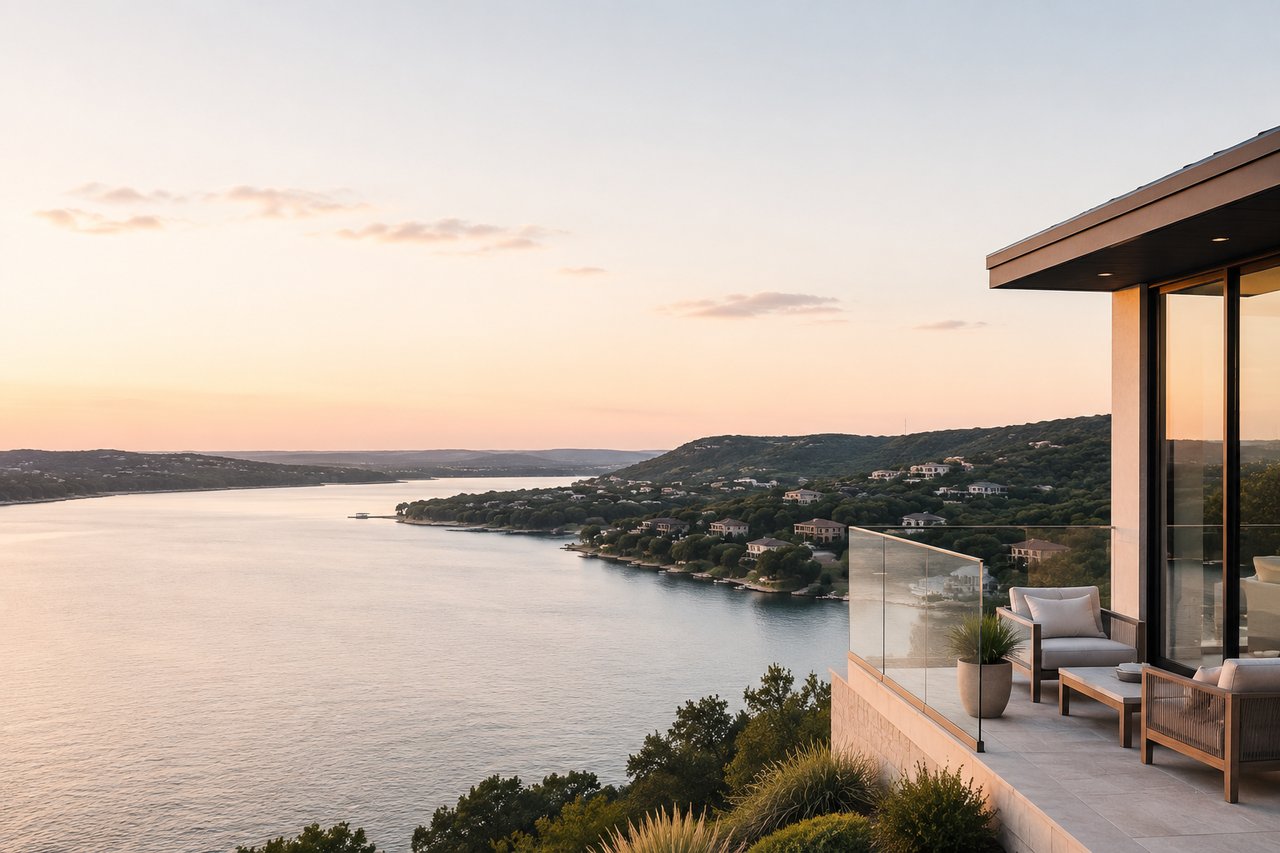
Bee Cave is not a one-size-fits-all market. It is a small Hill Country city with strong lifestyle appeal, including access to the Hill Country Galleria area, major road connections, city trails, and Central Park amenities outlined by the city library. That local setting can make buyers more sensitive to privacy, lot quality, views, and presentation.
In other words, buyers in this segment are often weighing more than square footage. They are also comparing how a home feels, how it lives day to day, and how well it delivers on the Bee Cave lifestyle. That is why premium pricing has to be precise.
What the current market is saying
The latest Bee Cave snapshot shows a market that still supports premium pricing, but not careless pricing. According to Realtor.com’s March 2026 Bee Cave market data, there were 34 active listings, a median listing price of $897,000, a median price per square foot of $313, and a median days on market of 33.
At the same time, the market varies meaningfully by neighborhood. The same source shows Falconhead West around a $727,000 median home price with 56 days on market, while The Ridge at Alta Vista is around $1.101 million with 64 days on market. Spanish Oaks alone had nine homes for sale, which matters if your home is competing in that price tier.
Closed-sale data suggests buyers are still negotiating. Redfin’s February 2026 Bee Cave housing report showed only three homes sold, with a median sale price of $710,000, median days on market of 273, and homes selling at about 96.2% of list price. That is a thin sample, so it should not be treated as a full citywide rule, but it does point to one clear takeaway: buyers are not rewarding overpricing.
Austin conditions still matter
Even though Bee Cave is its own submarket, you cannot price in a vacuum. The broader Austin-area market gives buyers more leverage than they had in a tighter cycle.
According to the February 2026 Central Texas housing report from Unlock MLS, the Austin-Round Rock-San Marcos MSA had 6.5 months of inventory, while Travis County had 6.6 months of inventory. The close-to-list ratio was 91.9% in both the metro and county data, which tells you buyers are often negotiating below asking price.
Redfin also reported that Austin had an estimated 128% more sellers than buyers, and the typical home that went under contract in December 2025 spent 106 days on market. For Bee Cave sellers, that means your opening list price matters even more. If you come out too high, buyers may simply move on and wait.
Start with comps, not wishful thinking
For a premium Bee Cave listing, your best pricing process starts with nearby sold homes, then moves to active competition in your price band. This is especially important in a market where neighborhoods can perform very differently from one another.
That means a home in one Bee Cave community may not be a reliable comp for a home in another. Even within the same city, differences in lot size, privacy, view corridor, outdoor living, and design updates can move value in a meaningful way. A strong pricing strategy looks at all of those factors together.
If direct comps are limited, the answer is not to stretch for an aspirational number. It is to build a pricing range using the closest available solds, compare that range against current actives, and then adjust for visible value drivers like lot quality, finishes, and outdoor features.
Features that can support a premium price
Premium buyers usually pay more for features they can see, use, and compare easily. Realtor.com buyer-preference research found strong interest in swimming pools, waterfront or river views, big lots, outbuildings, lake views, golf-course views, no HOA, and updated kitchens.
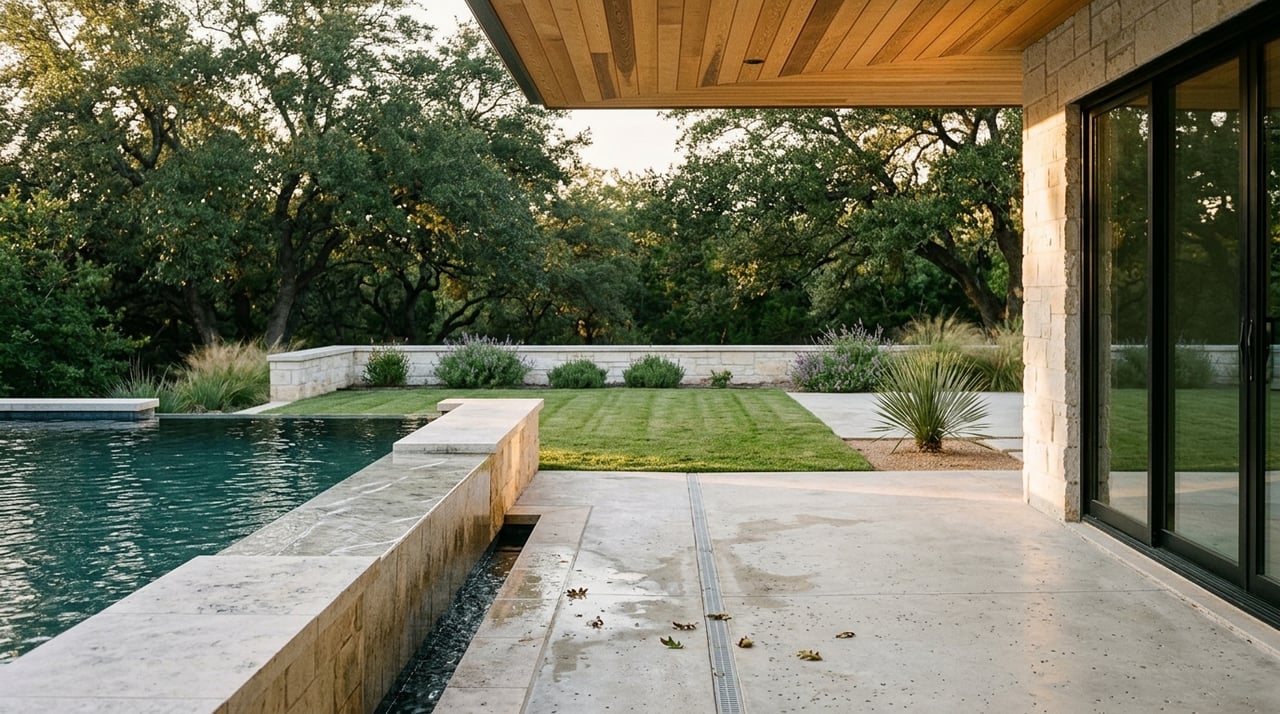
That same research also highlights the appeal of elevated lifestyle features in higher-end homes. Buyers in this space often respond to retractable glass walls, covered patios, outdoor kitchens, integrated lighting and sound, dual-sided fireplaces, and resort-style pools. These features can support a stronger price when they fit the home’s design and overall condition.
The key is balance. A single premium feature does not carry the whole valuation if the rest of the home feels dated or poorly presented. Buyers tend to pay the strongest premiums when the amenity and the home’s overall finish level match.
How much should a pool, view, or lot matter?
A pool can absolutely strengthen pricing, but it should not be treated as an automatic blank check. Realtor.com reported in 2025 that homes with pools carried a 54% price premium over homes without pools, though that premium had come down from earlier highs.
For Bee Cave, the practical takeaway is simple. A pool, larger lot, or strong view can help move your home into a higher price band, but only if the home also delivers on condition, style, and presentation. If buyers see a beautiful backyard but an outdated kitchen or worn finishes inside, they may still discount the property.
Presentation protects your asking price
In premium price ranges, presentation is part of pricing. If you want buyers to accept your value story, the home has to look ready for that price point the moment they arrive.
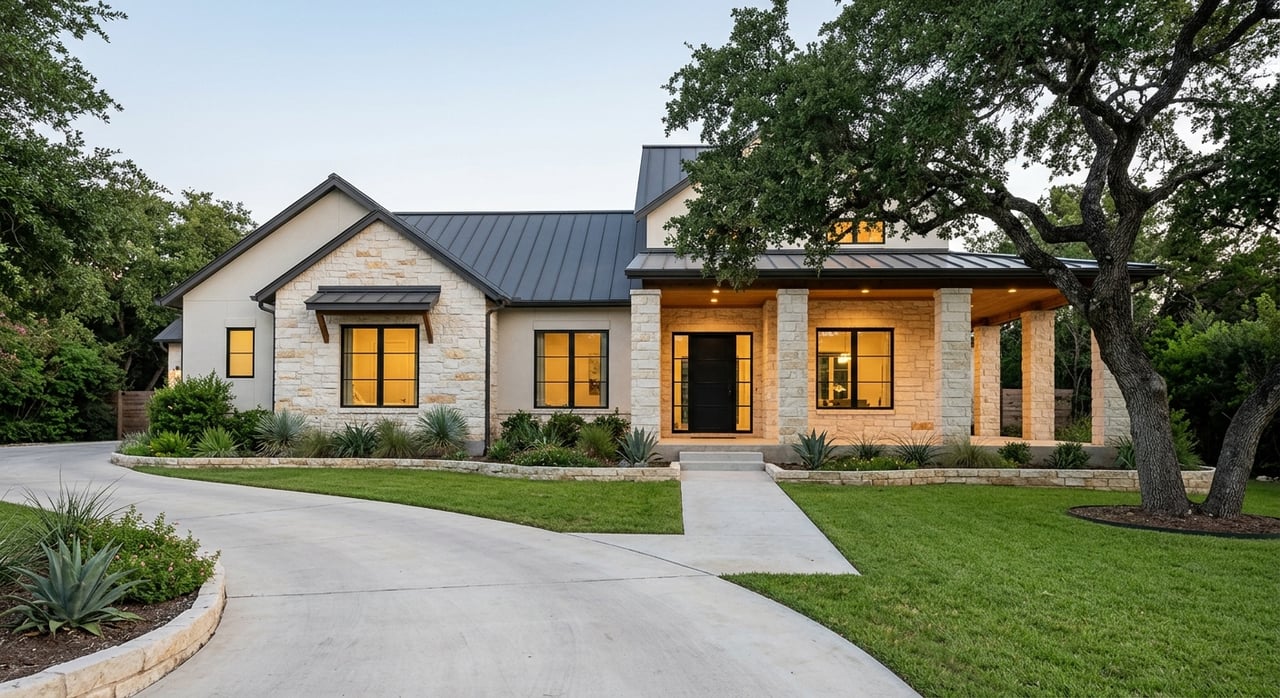
That starts outside. The NAR Remodeling Impact Report on outdoor features found that 97% of REALTORS® believe curb appeal is important in attracting a buyer, and 92% have recommended curb appeal improvements before listing.
For Bee Cave sellers, that means details like the driveway approach, front entry, landscaping, and outdoor living spaces can influence whether buyers see your asking price as justified. This is where staging oversight, photography, and thoughtful pre-listing prep can do real work.
When superior upgrades justify a higher price
Yes, you can price above recent neighborhood sales if your home clearly offers more. But the keyword is clearly.
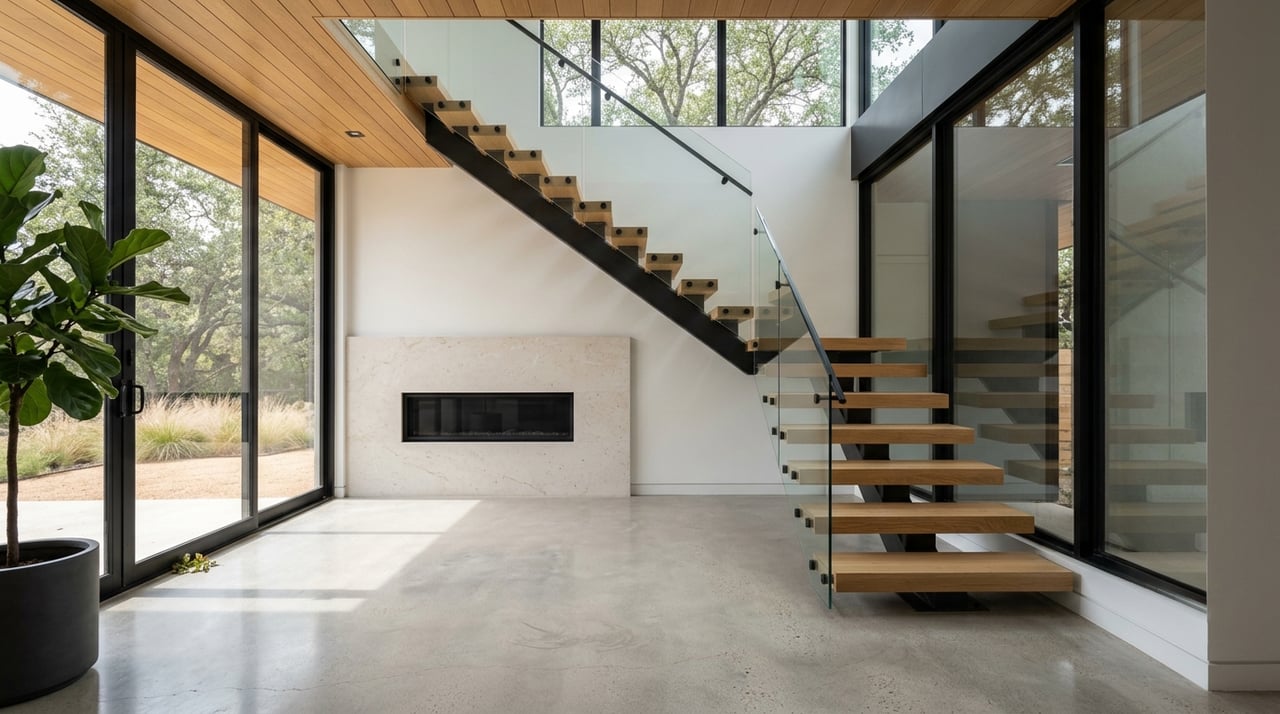
Buyers will usually pay more for upgrades that are visible, current, and hard to replicate quickly. Examples include a major kitchen update, strong indoor-outdoor living, quality pool design, mature landscaping, superior privacy, or a better lot position. The more obvious the difference is to buyers, the easier it is to support a premium.
What usually does not work is pricing well above recent sales based on improvements buyers cannot easily see or may not value at the same level. Your strategy should connect upgrades to what active buyers are actually rewarding in this market.
Watch the market after launch
A pricing strategy does not end on listing day. It needs to be tested against real buyer response once your home goes live.
If showings are slow, online saves are limited, or feedback repeatedly points to value concerns, the market may be telling you the price is too aggressive. In a market with elevated inventory and close-to-list ratios around 92% in the broader Austin area, waiting too long to adjust can cost you leverage.
The goal is to protect your final result, not just your initial asking price. A timely adjustment is often stronger than letting a listing sit until buyers start wondering what is wrong.
Why the right opening price matters most
Many sellers ask whether they should leave extra room for negotiation. In this market, that can backfire.
When buyers have options, an inflated starting price can reduce urgency and lower showing activity. By the time the price comes down, your listing may already have lost the freshness that drives the best early attention.
That is especially important in the premium segment. Redfin’s national luxury report noted that limited quality inventory has continued to support luxury prices even while demand is sluggish, and the typical luxury home nationwide still took 64 days to sell in December 2025. Well-prepared homes can still perform, but they need the right launch strategy.
A smart Bee Cave pricing plan
For most premium Bee Cave listings, the strongest plan looks like this:
- Review the most relevant recent solds in your immediate neighborhood or closest competitive area
- Compare your home against active listings buyers will view as alternatives
- Adjust for high-impact features like views, lot size, privacy, pool quality, and updated kitchens
- Make sure presentation supports the target price through curb appeal, staging, and photography
- Launch at a price designed to attract serious attention early, not just test the ceiling
- Monitor showing activity and feedback closely in the first days and weeks
If you are selling in the $700,000 to $1.6M+ range, pricing is one of the biggest decisions you will make. The best outcomes usually come from a data-forward strategy paired with polished presentation and strong negotiation.
If you want help building a pricing plan that fits your home, your neighborhood, and current buyer behavior, connect with Bryan Swan for a tailored strategy and professional guidance.
FAQs
How do I price a luxury home in Bee Cave with few comparable sales?
- Start with the closest recent solds, then compare your home to current active competition and adjust for visible differences like lot quality, views, condition, and outdoor features.
How much does a pool affect a Bee Cave listing price?
- A pool can support a higher price, especially in a lifestyle-driven market, but buyers usually expect the rest of the home’s condition and design to match that premium feature.
Should I price my Bee Cave home above recent neighborhood sales if it has better upgrades?
- Yes, if the upgrades are obvious, current, and meaningful to buyers, such as a renovated kitchen, better privacy, stronger outdoor living, or a superior lot.
When should a premium Bee Cave listing get a price adjustment?
- If early showing activity is weak, buyer feedback points to value concerns, or comparable listings are attracting more attention, a timely adjustment may help protect your leverage.
How do Austin market conditions affect pricing for Bee Cave homes?
- Austin-area inventory and buyer negotiating power influence Bee Cave pricing because buyers compare options across the region, even when Bee Cave remains a more premium submarket.