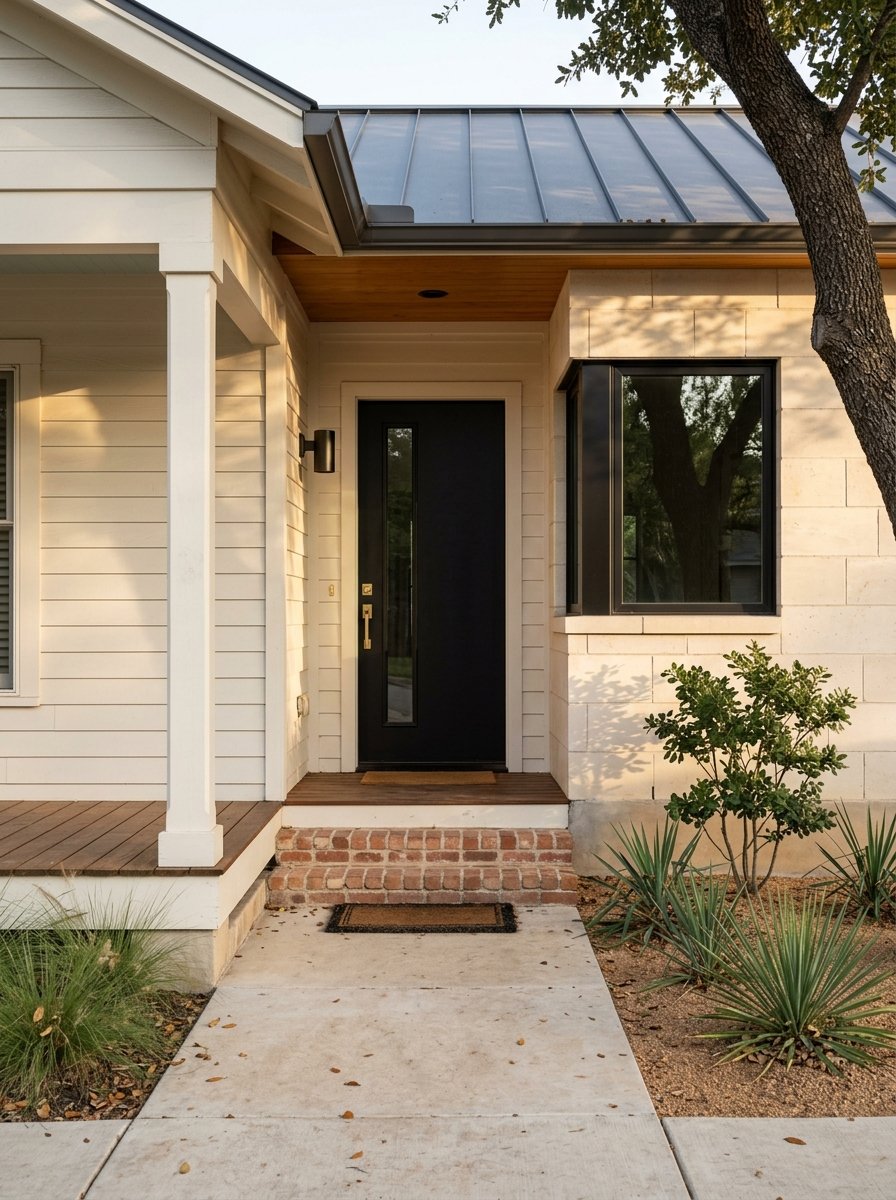
If you are house hunting in Central East Austin, one question can shape your entire search fast: do you want a new build or a classic home? In this part of Austin, that choice is rarely about right or wrong. It is more about how you want to live day to day, how much maintenance you want to take on, and how much character you want built into the home itself. Let’s break it down so you can choose with more confidence.
Why this choice feels bigger in Central East Austin
Central East Austin is one of Austin’s clearest mixed-era areas. The City of Austin’s adopted neighborhood plan describes it as historic, urban, diverse, and connected to downtown and the central city, while also supporting new development that respects existing residential areas and improves walking, biking, and transit access.
That matters because you are not comparing two totally separate worlds. In Central East Austin, new construction and older homes often exist close together, sometimes on the same block. Your decision usually comes down to lifestyle fit, not just age of the house.
What a new build often offers
In Central East Austin, new construction often reflects infill development. The neighborhood plan includes examples of urban home lots with a minimum of 3,500 square feet, compared with a typical existing single-family lot minimum of 5,750 square feet.
That does not mean every new home has a tiny yard. It does mean newer homes in this area often trade outdoor space for a more efficient footprint and a layout designed for modern living. If you value lower day-one project stress, that can be a strong advantage.
Austin also requires building permits for new construction, and the city’s Building Inspections division inspects new construction, remodels, and trade work for code compliance. In practical terms, that can support a more predictable maintenance profile at the start, though builder quality and scope of work still matter.
New builds may fit you if you want:
- A more turnkey move-in experience
- Contemporary layouts and open sightlines
- More recent systems and materials
- Fewer immediate repair projects
- A compact lot that is easier to manage
What a classic home often offers
Older homes in Central East Austin tend to deliver what many buyers come here looking for: architectural individuality, visible history, and a stronger sense of the original street fabric. The neighborhood plan gives preservation real weight and identifies places like the Swede Hill National Register District, along with other preservation areas and proposed districts.
If a property is a landmark, in a historic district, or is a contributing property, Austin may require historic review for exterior changes, additions, permanent site work, signs, or even some new construction. That means a classic home can offer more character, but sometimes less flexibility if you want to change the outside later.
Classic homes can also come with more upkeep. Even when some routine maintenance may be exempt from a building permit, the work still must meet applicable city and building codes.
Classic homes may fit you if you want:
- Original proportions and older design details
- More neighborhood texture and architectural variety
- Larger or more usable outdoor space in some cases
- A home that feels rooted in East Austin’s history
- A property you are willing to maintain over time
Start with your daily routine
In Central East Austin, the better choice is often the one that fits your everyday life. The neighborhood plan explicitly supports a community where daily needs can be met by walking, biking, or transit.
That means your block and route may matter as much as the house style. A new build on a more active corridor may feel very different from a classic home on a quieter interior street. Before you focus on finishes, think about how you want your mornings, evenings, and weekends to work.
Ask yourself:
- Do you want to walk or bike to daily stops more often?
- Do you prefer a quieter residential feel or a more active location?
- Will you use outdoor space often enough for yard size to matter?
- Do you want a home that feels ready now, or one with long-term project potential?
Compare outdoor space carefully
One of the biggest practical differences in this area is outdoor space. Because infill development can use smaller lot configurations than many older single-family lots, new construction often comes with a tighter yard footprint.
This is where buyers can get tripped up. Lot size on paper does not always tell you how the space actually lives. A smaller lot with well-planned outdoor areas may work better for you than a larger lot with less usable space.
When touring homes, look for:
- Functional yard space, not just square footage
- Shade, drainage, and privacy
- Room for pets, gardening, or outdoor dining if those matter to you
- How much upkeep the exterior will require
Think honestly about maintenance tolerance
This is one of the clearest decision points. New construction usually appeals to buyers who want fewer near-term repairs and more recent systems. Older homes often appeal to buyers who are comfortable planning for upkeep, repairs, and occasional surprises.
In Central East Austin, that can mean paying closer attention to roof age, plumbing, electrical systems, drainage, and prior updates when you are considering a classic home. If the property may also have historic review considerations, your future project timeline can be more layered.
A simple way to think about it
| If you prefer... | You may lean toward... |
|---|---|
| Predictability and fewer projects | New build |
| Character and long-term customization | Classic home |
| A cleaner, more contemporary layout | New build |
| Older architecture and block-by-block texture | Classic home |
| Lower yard maintenance | New build |
| More tolerance for repairs and planning | Classic home |
Know the historic review question early
In Central East Austin, this is not a small detail. Austin’s Historic Preservation Office notes that you can use the Historic Property Viewer to see whether a home is a landmark, in a locally designated historic district, or in a National Register district.
Why does that matter? Because if you buy a classic property and later want to change the exterior, add on, or complete certain site work, you may need historic review before permits move forward. It is much better to understand that before you fall in love with a renovation vision.
Do not overlook possible programs for older homes
If you are drawn to a classic home, there can be ownership offsets worth exploring. Austin offers a tax abatement for rehabilitating a contributing property in a historic district, a tax exemption for historic landmarks, and programs that may include home rehabilitation loans, minor home repair grants, plumbing assistance, and weatherization help for existing homes.
These programs will not make every older home cheaper to own. Still, they are part of the bigger picture and can matter if you are comparing long-term value between a classic property and a newer build.
A practical way to decide
If you are still torn, try this simple framework. It keeps the decision focused on the things that most affect your day-to-day experience and future costs.
Choose a new build if you value:
- Turnkey living
- Modern interior flow
- A more predictable maintenance profile
- Less immediate project risk
- A smaller, easier-to-manage outdoor footprint
Choose a classic home if you value:
- Architectural character
- A stronger connection to East Austin’s historic feel
- The possibility of more outdoor space
- Original features and older proportions
- A home you are willing to maintain thoughtfully over time
Five smart questions to ask before you decide
1. Is the property in a historic district or protected setting?
This can affect what you are allowed to change later. If you have renovation plans, this question should come early.
2. How much outdoor space is truly usable?
Do not rely only on lot size. Look at layout, privacy, shade, drainage, and how you would use the space.
3. What repairs are likely in the next one to three years?
This matters most with older homes, but it is useful for any property. Knowing likely near-term costs helps you compare homes more accurately.
4. How important is turnkey living to you?
Be honest here. Some buyers enjoy projects. Others want a home that feels easy from day one.
5. What kind of atmosphere do you want every day?
This may be the most personal question of all. Some buyers light up around clean lines and modern layouts. Others want a home with visible age, texture, and a sense of place that newer construction does not try to copy.
In Central East Austin, the best choice is usually the one that matches your routine, your maintenance comfort level, and the kind of home experience you want to come back to every day. If you want clear, local guidance as you compare options and weigh long-term value, Bryan Swan can help you move forward with confidence.
FAQs
Should you choose a new build or a classic home in Central East Austin?
- Choose the one that best fits your lifestyle, maintenance tolerance, outdoor space needs, and design preferences. In Central East Austin, it is usually a tradeoff rather than a clear winner.
Do new builds in Central East Austin usually have smaller lots?
- They often can. The City of Austin’s neighborhood plan includes infill examples with smaller urban home lot minimums than typical existing single-family lots, which helps explain why many newer homes feel more compact outdoors.
Do older homes in Central East Austin come with more renovation restrictions?
- They can, especially if the property is a landmark, a contributing property, or located in a historic district. Exterior changes and additions may require historic review.
Are new builds in Central East Austin lower maintenance?
- They often have a more predictable near-term maintenance profile because they are newly built and move through Austin’s permit and inspection process, but build quality still matters.
Are there incentives for owning certain older homes in Austin?
- Yes. Austin offers programs that may include tax abatements for rehabilitating contributing historic properties, tax exemptions for historic landmarks, and certain repair or weatherization assistance programs for existing homes.